Stanford HAILS
A hybrid Stanford executive program for healthcare leaders focused on AI innovation, implementation, and strategy.
Announcing the ARISE Healthcare AI Executive Course, online.Learn more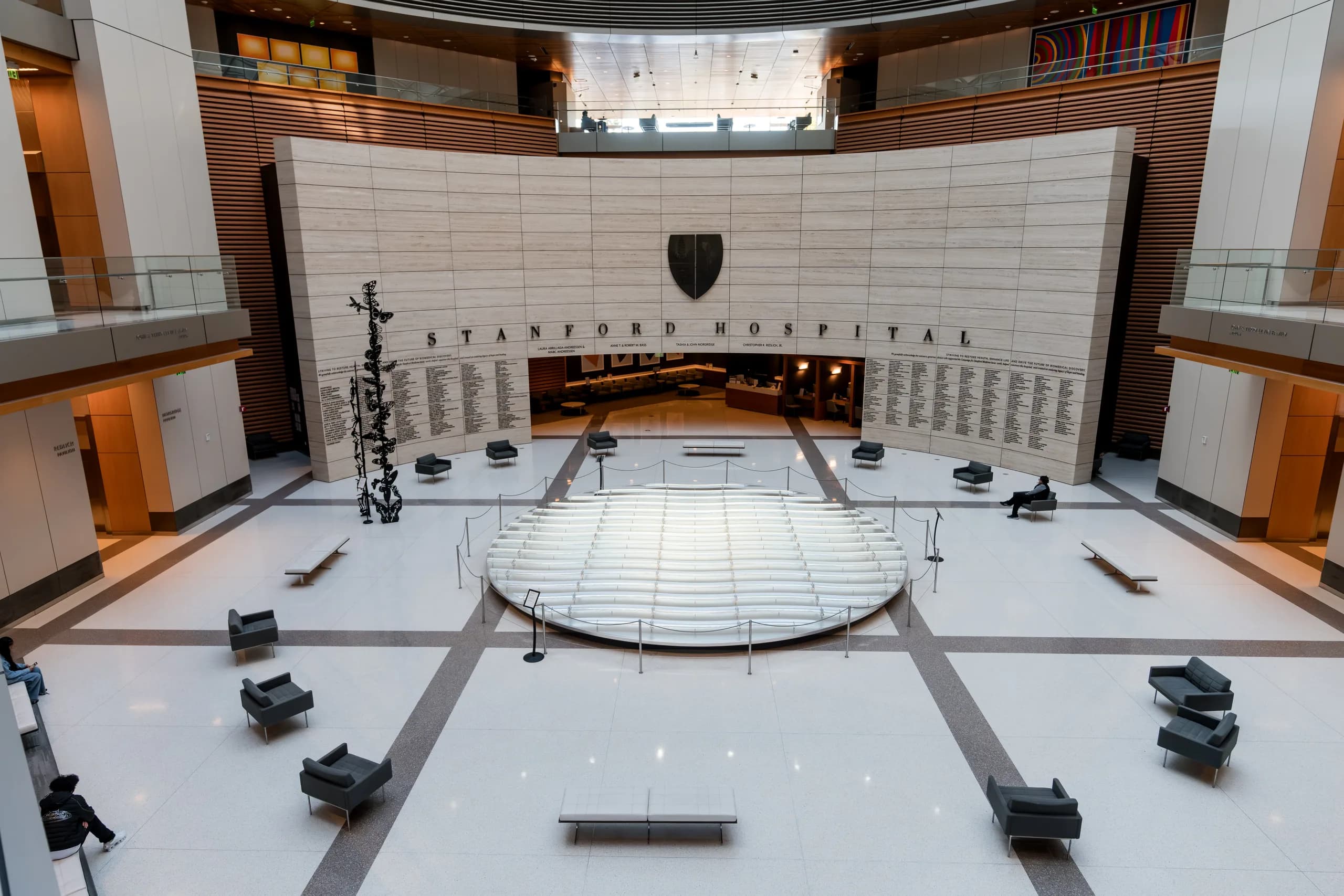

Healthcare AI Leadership & Strategy
Faculty from the teams building healthcare AI


What you can expect
A program that pairs frontier-lab perspective with the practical work of bringing AI into real clinical settings.
Frontier-Lab Sessions
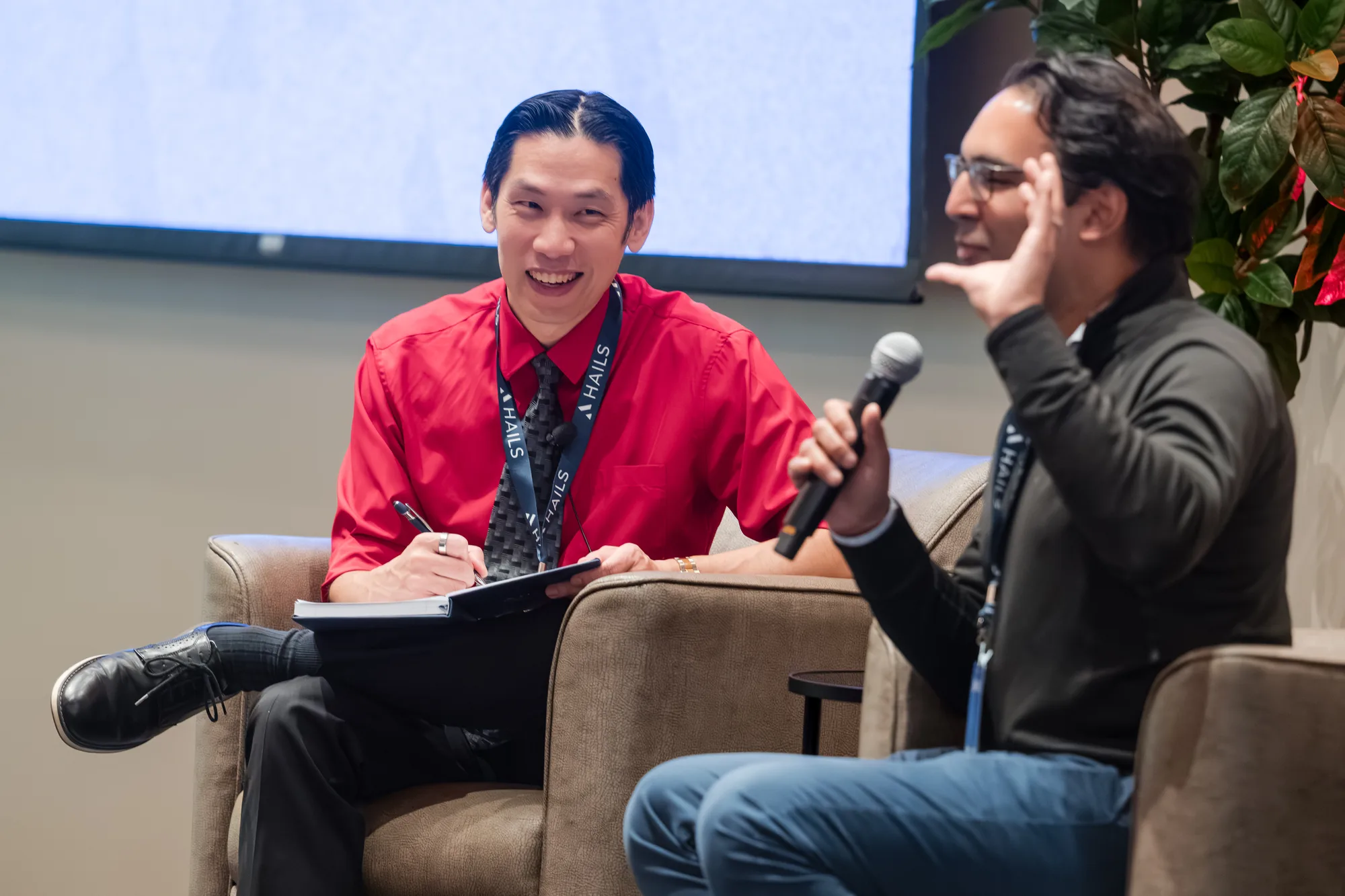
Off-the-record talks from the teams building healthcare AI at OpenAI, Anthropic, and Google.
Hands-On Workshops
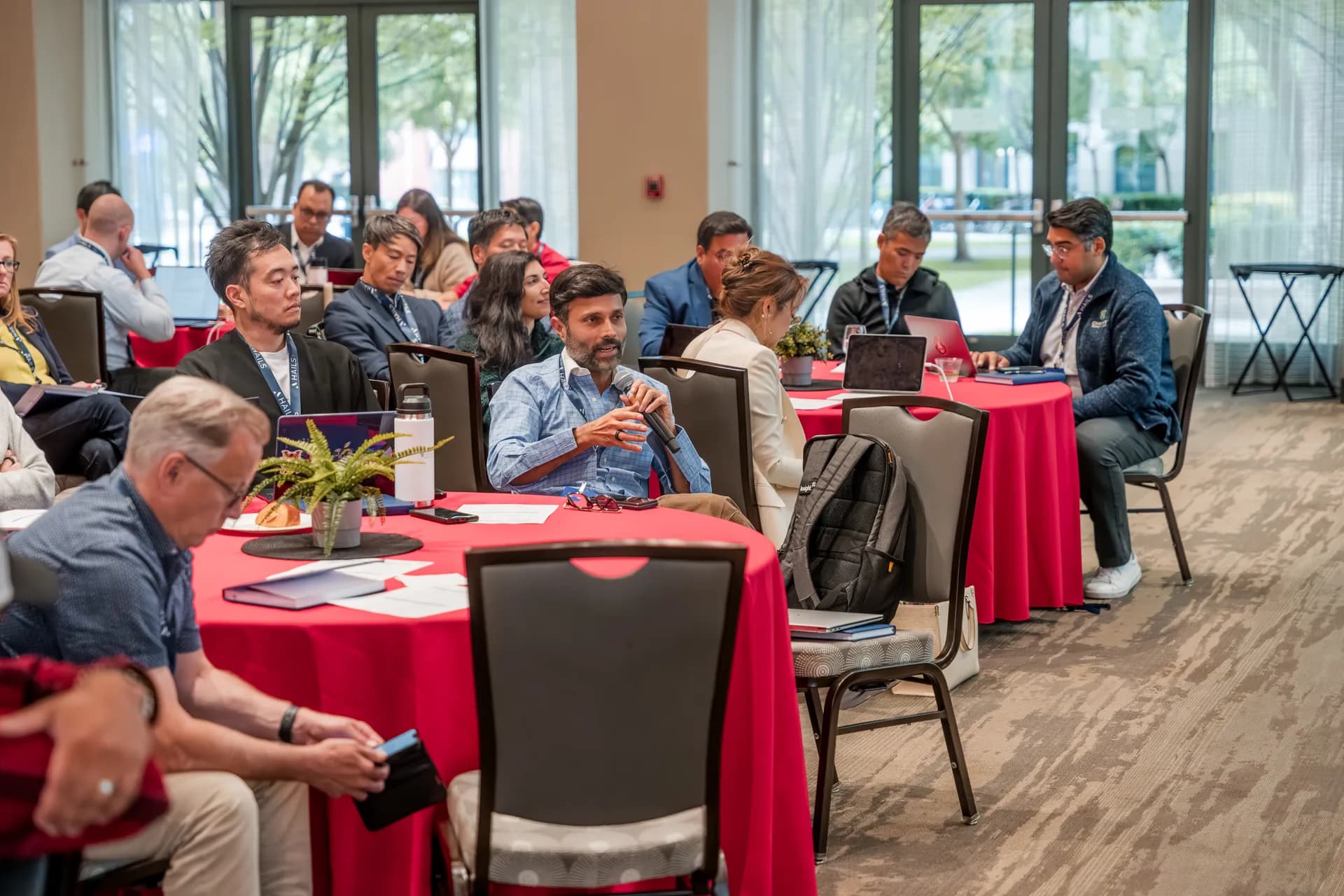
Build with agentic AI and healthcare skills alongside Stanford faculty.
A Leadership Community
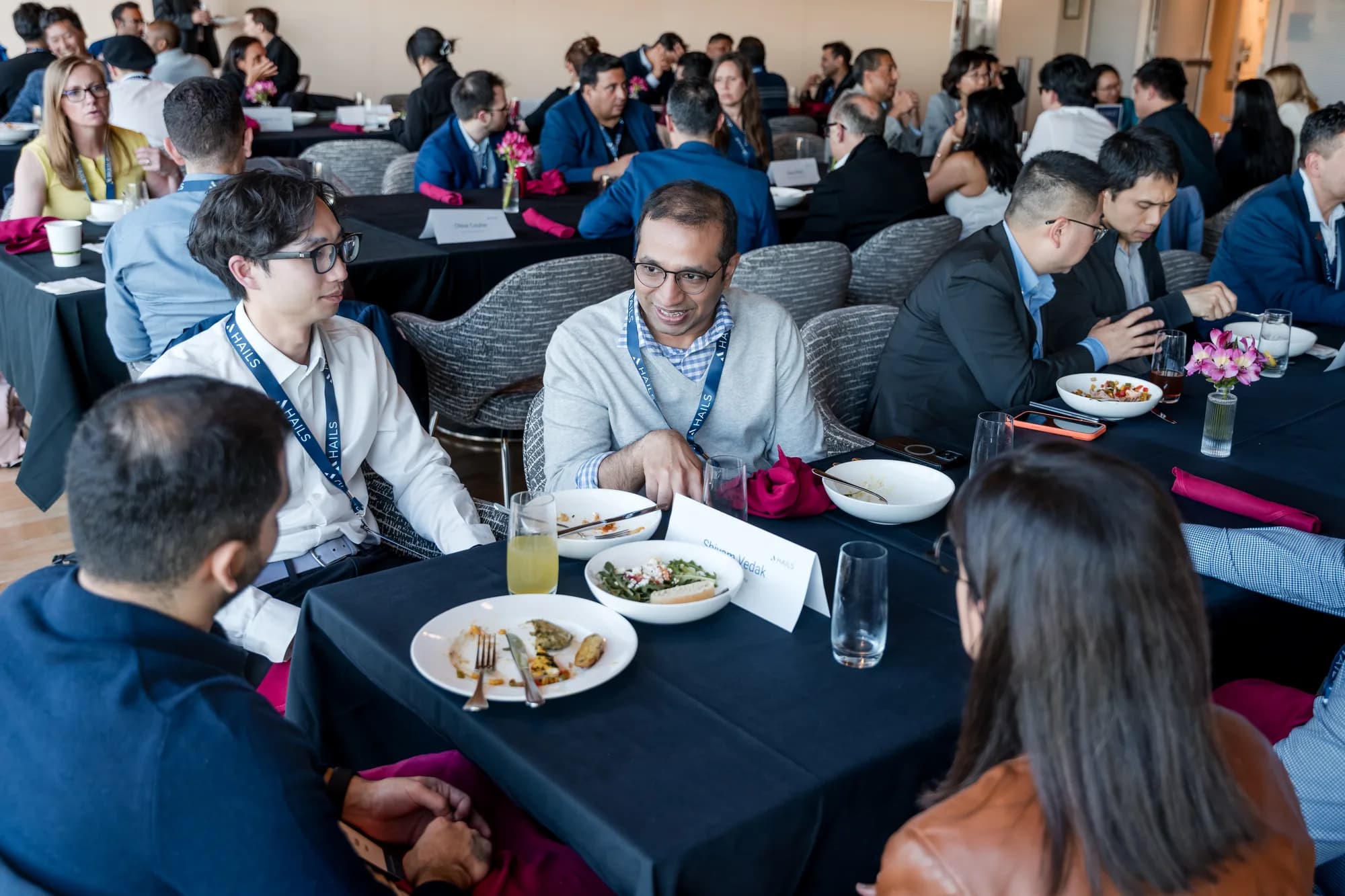
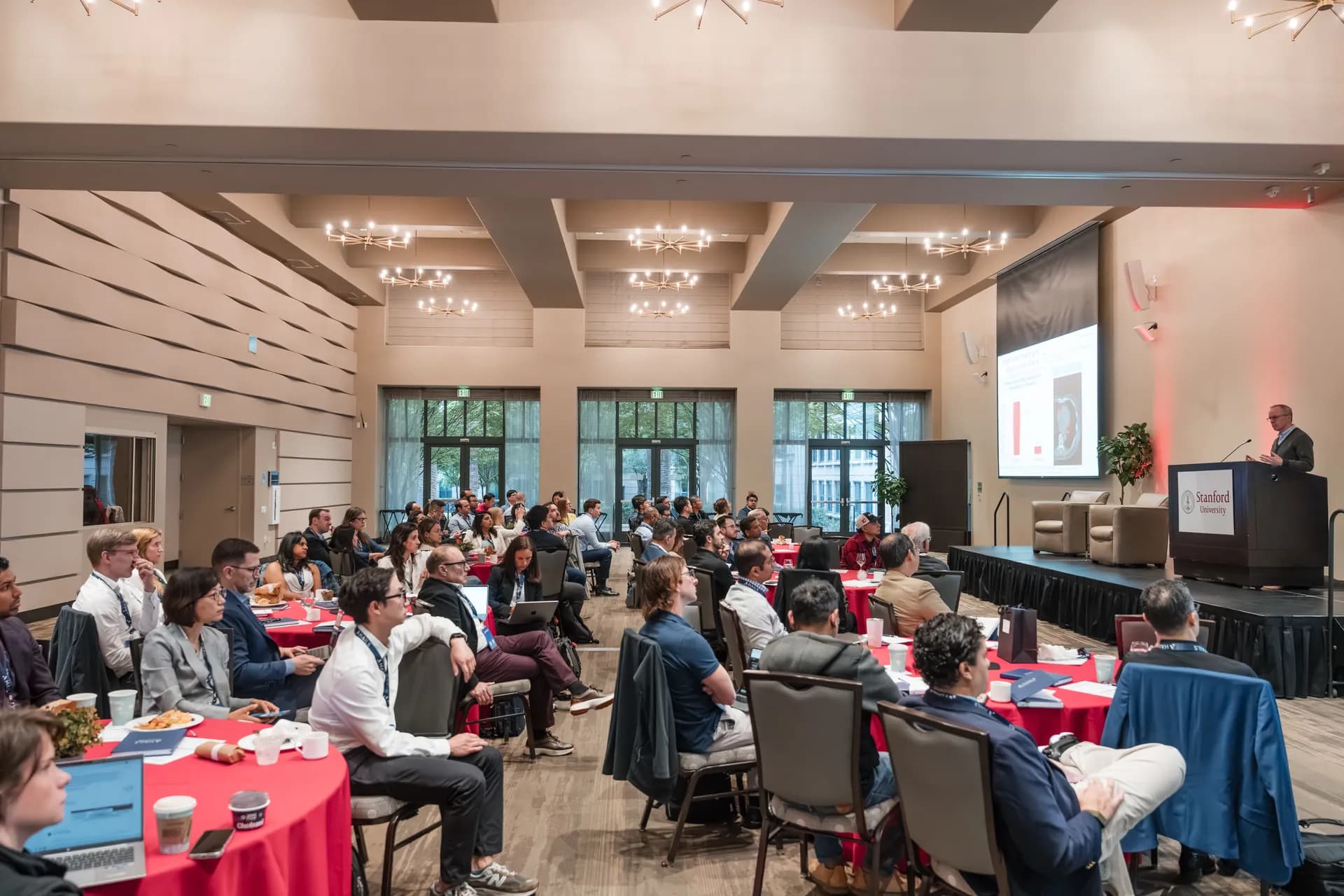
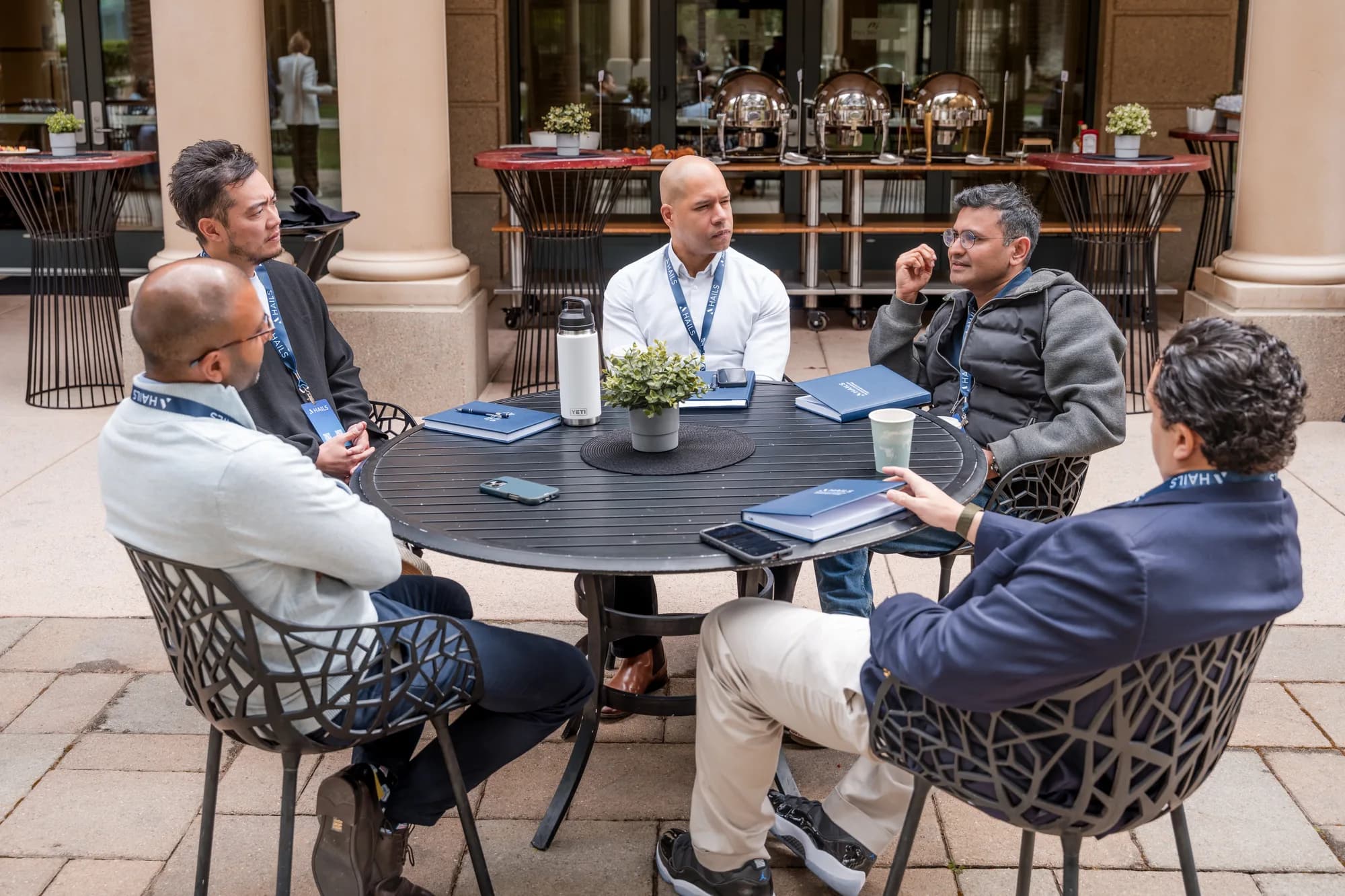
Two days on campus and four virtual weeks with peers shaping clinical AI.
On the ground
Inside the room
“It has been a privilege to be part of the first cohort. Connecting face-to-face with leaders who are actively shaping the future of health AI was inspiring.”

Section Chief, Transfusion Medicine · University of Utah
“What I saw at Stanford was foundation models deployed at real scale, in real clinical workflows. Not pilots. Not demos. Production. The hard problem in healthcare AI isn't accuracy — it's what we build around the model, and who stays accountable when it's wrong.”

Radiologist
“The bottleneck is no longer the model; it is deployment. You can build increasingly powerful models, but if the technology cannot navigate clinical workflows, regulation, and provider adoption, it will never create meaningful impact for patients.”

First HAILS cohort
“Had an amazing — dare I say magical — few days. Meeting likeminded people, hearing from world-renowned speakers, and building a community driving the future of healthcare AI is what made HAILS so special.”

Clinician & Founder
“The hard part isn't whether a model works, but getting it into routine use and keeping it working there — validating it locally, rolling it out in stages, and watching performance well after launch.”

First HAILS cohort
“A week at Stanford University gave me enough to digest and reflect on for the rest of the year. No AI model can fix an ineffective system — we've got to fix the cracks in the process first, to make it ready for AI.”

First HAILS cohort
“In healthcare, relationships move at the speed of trust — and two days with people from OpenAI, Anthropic, Google, Roche, Stanford, Harvard, the FDA and Menlo Ventures go a long way.”

First HAILS cohort
“The room was never static. Two days of digging into where AI is really showing up in healthcare and where it's headed, with a cohort that came at it from every angle.”

First HAILS cohort
“Physicians and surgeons need to be involved at the beginning of the build, and have a seat at the table where implementation decisions happen, if we want an end result that actually helps us and our patients.”

Surgeon
“Thank you to the Stanford HAILS team for an amazing 2 days of immersive AI experience. Great speakers, dialogue and networking!”

Gastroenterologist
“A perfect balance of high-level strategic thinking and the practical, 'bring-your-own-problem' reality of implementing AI in healthcare and life sciences.”

First HAILS cohort
“It has been a privilege to be part of the first cohort. Connecting face-to-face with leaders who are actively shaping the future of health AI was inspiring.”
Section Chief, Transfusion Medicine · University of Utah
“What I saw at Stanford was foundation models deployed at real scale, in real clinical workflows. Not pilots. Not demos. Production. The hard problem in healthcare AI isn't accuracy — it's what we build around the model, and who stays accountable when it's wrong.”
Radiologist
“The bottleneck is no longer the model; it is deployment. You can build increasingly powerful models, but if the technology cannot navigate clinical workflows, regulation, and provider adoption, it will never create meaningful impact for patients.”
First HAILS cohort
“Had an amazing — dare I say magical — few days. Meeting likeminded people, hearing from world-renowned speakers, and building a community driving the future of healthcare AI is what made HAILS so special.”
Clinician & Founder
“The hard part isn't whether a model works, but getting it into routine use and keeping it working there — validating it locally, rolling it out in stages, and watching performance well after launch.”
First HAILS cohort
“A week at Stanford University gave me enough to digest and reflect on for the rest of the year. No AI model can fix an ineffective system — we've got to fix the cracks in the process first, to make it ready for AI.”
First HAILS cohort
“In healthcare, relationships move at the speed of trust — and two days with people from OpenAI, Anthropic, Google, Roche, Stanford, Harvard, the FDA and Menlo Ventures go a long way.”
First HAILS cohort
“The room was never static. Two days of digging into where AI is really showing up in healthcare and where it's headed, with a cohort that came at it from every angle.”
First HAILS cohort
“Physicians and surgeons need to be involved at the beginning of the build, and have a seat at the table where implementation decisions happen, if we want an end result that actually helps us and our patients.”
Surgeon
“Thank you to the Stanford HAILS team for an amazing 2 days of immersive AI experience. Great speakers, dialogue and networking!”
Gastroenterologist
“A perfect balance of high-level strategic thinking and the practical, 'bring-your-own-problem' reality of implementing AI in healthcare and life sciences.”
First HAILS cohort
“It has been a privilege to be part of the first cohort. Connecting face-to-face with leaders who are actively shaping the future of health AI was inspiring.”
Section Chief, Transfusion Medicine · University of Utah
“What I saw at Stanford was foundation models deployed at real scale, in real clinical workflows. Not pilots. Not demos. Production. The hard problem in healthcare AI isn't accuracy — it's what we build around the model, and who stays accountable when it's wrong.”
Radiologist
“The bottleneck is no longer the model; it is deployment. You can build increasingly powerful models, but if the technology cannot navigate clinical workflows, regulation, and provider adoption, it will never create meaningful impact for patients.”
First HAILS cohort
“Had an amazing — dare I say magical — few days. Meeting likeminded people, hearing from world-renowned speakers, and building a community driving the future of healthcare AI is what made HAILS so special.”
Clinician & Founder
“The hard part isn't whether a model works, but getting it into routine use and keeping it working there — validating it locally, rolling it out in stages, and watching performance well after launch.”
First HAILS cohort
“A week at Stanford University gave me enough to digest and reflect on for the rest of the year. No AI model can fix an ineffective system — we've got to fix the cracks in the process first, to make it ready for AI.”
First HAILS cohort
“In healthcare, relationships move at the speed of trust — and two days with people from OpenAI, Anthropic, Google, Roche, Stanford, Harvard, the FDA and Menlo Ventures go a long way.”
First HAILS cohort
“The room was never static. Two days of digging into where AI is really showing up in healthcare and where it's headed, with a cohort that came at it from every angle.”
First HAILS cohort
“Physicians and surgeons need to be involved at the beginning of the build, and have a seat at the table where implementation decisions happen, if we want an end result that actually helps us and our patients.”
Surgeon
“Thank you to the Stanford HAILS team for an amazing 2 days of immersive AI experience. Great speakers, dialogue and networking!”
Gastroenterologist
“A perfect balance of high-level strategic thinking and the practical, 'bring-your-own-problem' reality of implementing AI in healthcare and life sciences.”
First HAILS cohort
“It has been a privilege to be part of the first cohort. Connecting face-to-face with leaders who are actively shaping the future of health AI was inspiring.”
Section Chief, Transfusion Medicine · University of Utah
“What I saw at Stanford was foundation models deployed at real scale, in real clinical workflows. Not pilots. Not demos. Production. The hard problem in healthcare AI isn't accuracy — it's what we build around the model, and who stays accountable when it's wrong.”
Radiologist
“The bottleneck is no longer the model; it is deployment. You can build increasingly powerful models, but if the technology cannot navigate clinical workflows, regulation, and provider adoption, it will never create meaningful impact for patients.”
First HAILS cohort
Program Directors
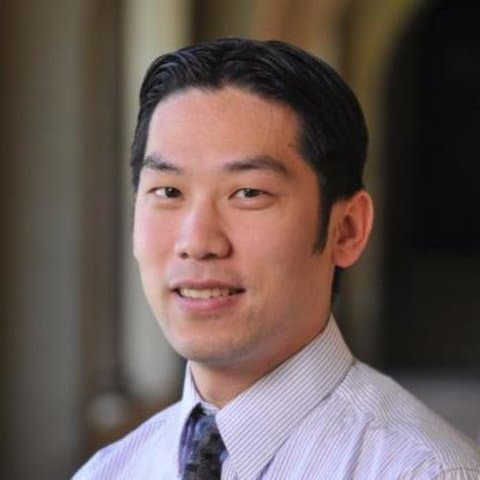
Jonathan H. Chen, MD, PhD
Stanford Medicine Director for Medical Education in Artificial Intelligence Division of Computational Medicine
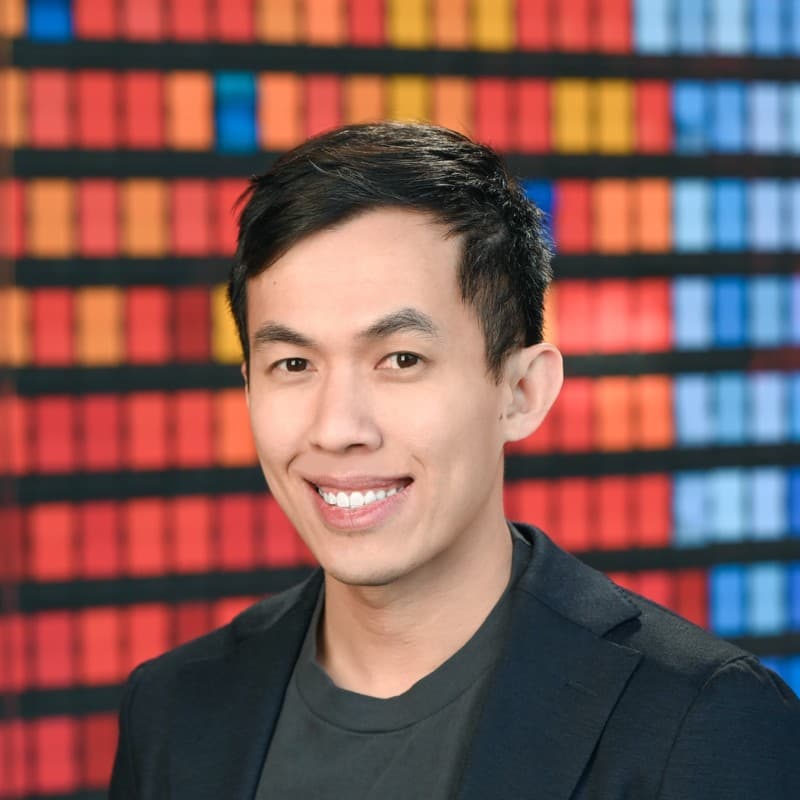
Ethan Goh, MD, MS
Executive Director, Stanford ARISE (AI Research and Science Evaluation) Network
Program Team
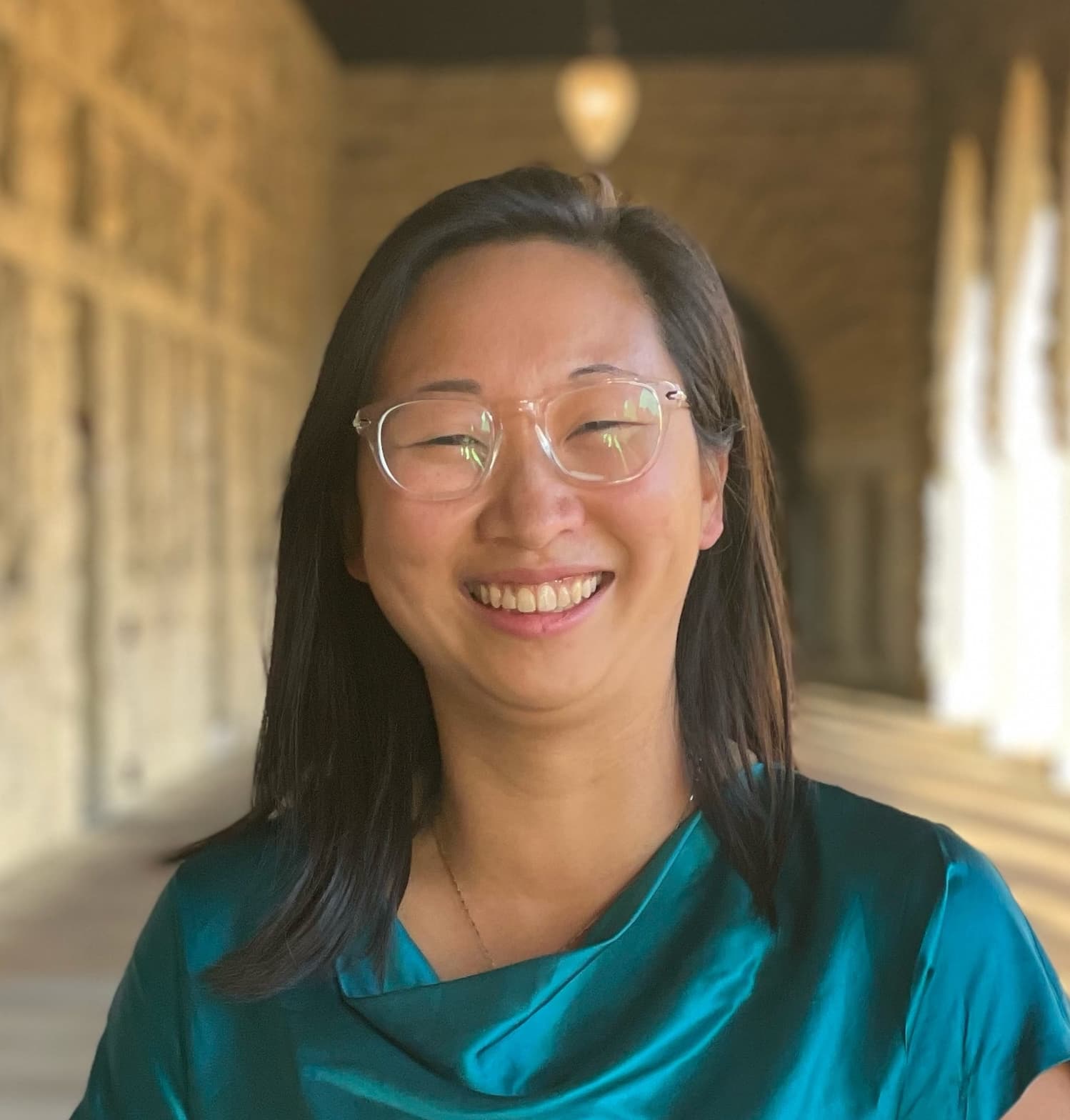
Julia Lin
Program Lead
Stanford HAILS
Event Information
A hybrid Stanford program
Two immersive days on the Stanford campus, framed by four virtual program weeks of trends, office hours, and AI Charter work.
Stanford University campus
Required onsite May 14 – 15, with optional access to Stanford Health AI Week events. The exact venue is yet to be confirmed.
In partnership with


ARISE Healthcare AI Executive Course
An online course for physicians. Early 2027.